Six main components, one function.
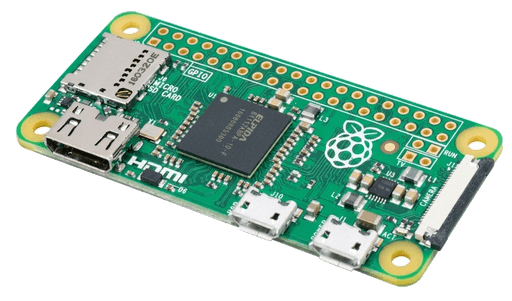
Raspberry Pi
The brain of Somni.
Powered through USB-C, the Raspberry Pi connects the main electronic components and runs the logic that controls audio input, user interaction, LED feedback, and app-connected dream journaling features.
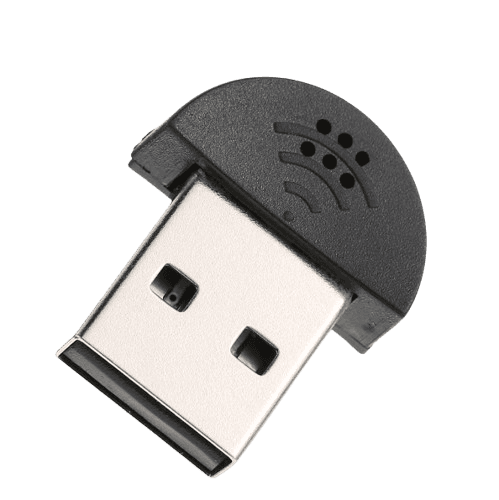
Microphone
Captures dream recall through voice.
The microphone listens for the phone alarm trigger and records the user's spoken dream reflection immediately after waking, reducing the friction of writing dreams down manually.
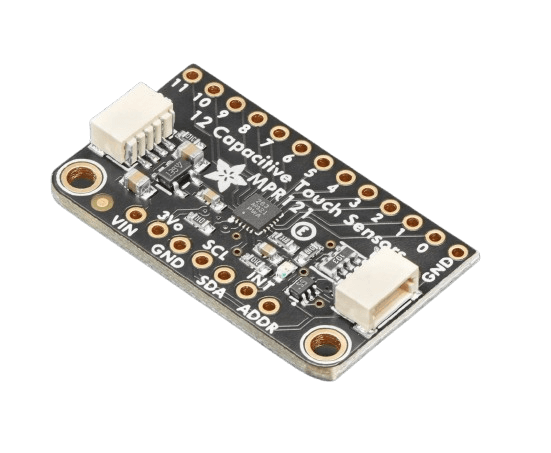
Capacitive Touch Board
Creates a seamless touch interface.
The capacitive touch board allows the user to interact with Somni through the silicone surface, keeping the product clean and buttonless while still enabling simple controls like start, stop, or confirm.
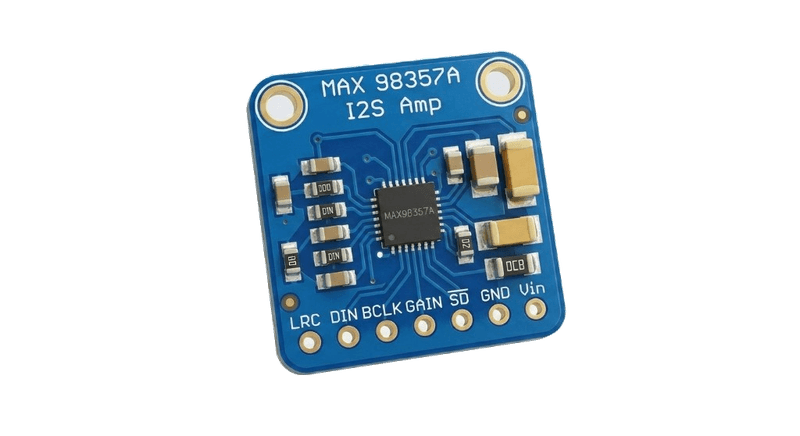
Amplifier
Boosts clear audio output.
The amplifier strengthens the audio signal from the Raspberry Pi so Somni can play chimes and prompt the user clearly through the speaker.
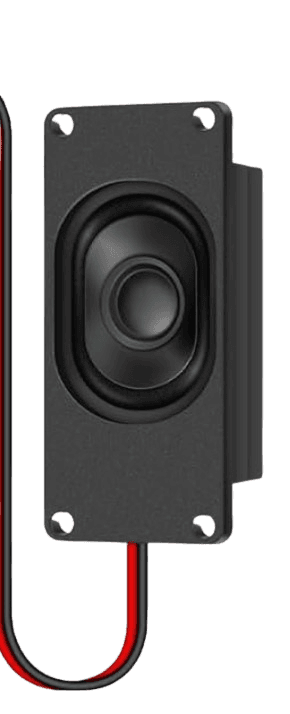
Speaker
Guides the user through the recall process.
The speaker plays soft audio prompts and chimes that help guide the user into recording their dream while they are still in the moment after waking.
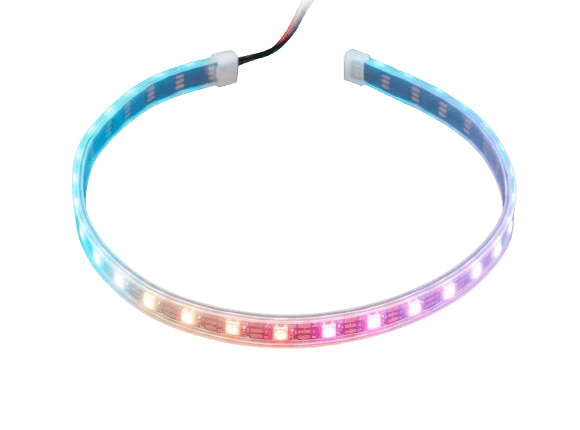
LEDs
Provides ambient system feedback.
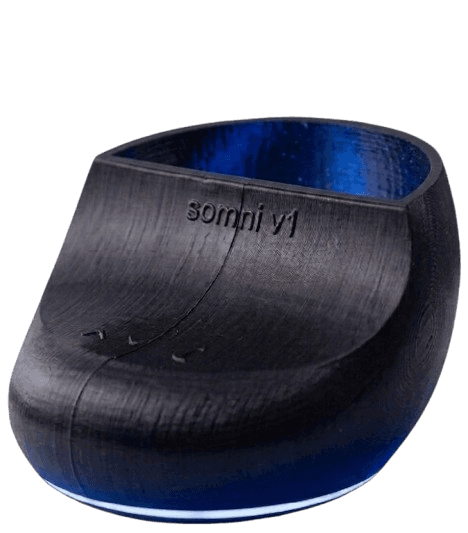
The LED ring at the base gives Somni a subtle visual language, indicating states like powered on, listening, recording, or processing.